

-
call us
0086 13559245184 -
email us
sales@fortunepart.com
call us
0086 13559245184email us
sales@fortunepart.com
Oct, 2026
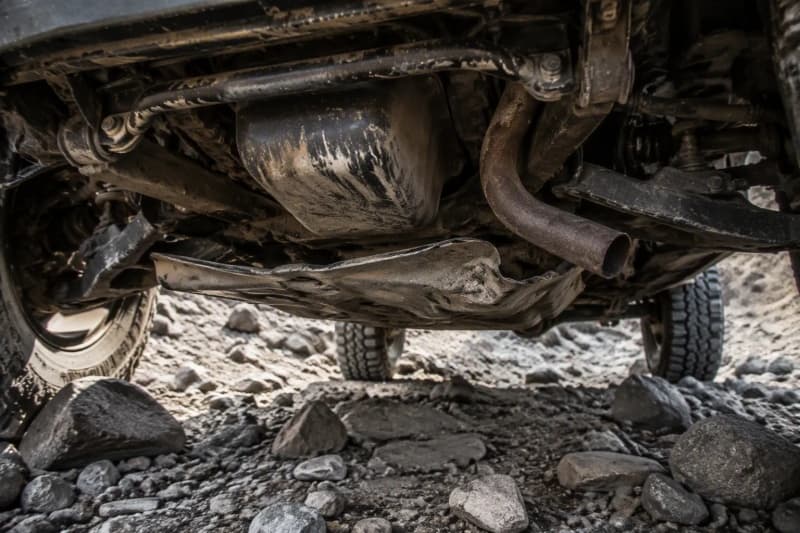
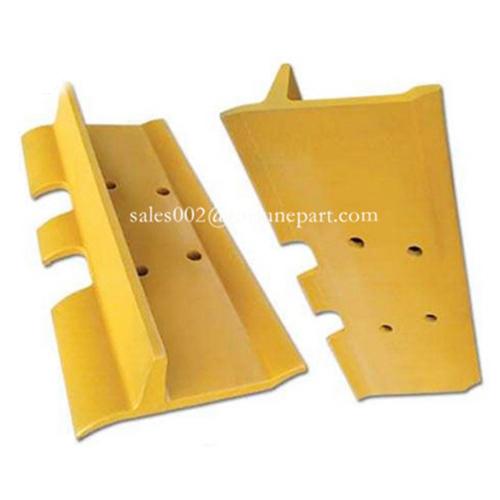
Driving over rough roads exposes your vehicle's undercarriage to relentless punishment. You face three primary threats: direct impacts, scraping abrasion, and moisture intrusion. Rocks and stumps can bend suspension arms or crack oil pans. Bottoming out grinds skid plates and exhaust pipes, creating structural weaknesses. Water and mud accelerate corrosion and contaminate lubricants, leading to premature wear. Constant jarring stresses your suspension and drivetrain, causing fatigue failures. Recognizing these risks helps you prevent off-roading damage and avoid costly repair. Understanding how terrain affects your undercarriage problems is your first defense. Consider Excavator Track Guard designs for added protection in vulnerable zones.
Rough terrain causes three main types of undercarriage damage: impacts, scraping, and moisture intrusion.
Impacts from rocks and stumps can bend suspension parts and puncture the oil pan, leading to costly repairs.
Scraping and bottoming out wear down skid plates and can crush exhaust pipes, causing performance issues.
Water and mud cause rust and contaminate fluids, leading to premature failure of bearings and joints.
Regular inspection and protective guards help prevent damage and extend your vehicle's life.
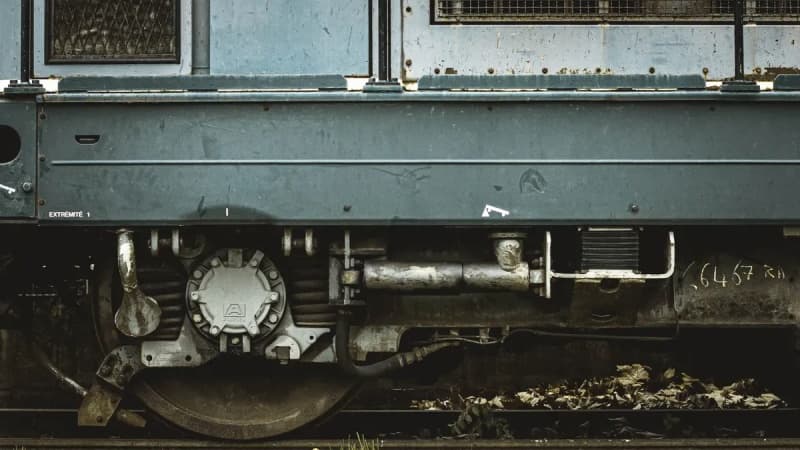
When you drive over rough terrain, impacts from rocks, stumps, and uneven terrain pose the most immediate threat. These collisions can cause structural harm to critical components. You need to understand how each type of impact affects your vehicle.
Striking a large rock or boulder on uneven terrain creates a direct blow. The oil pan is especially vulnerable. A rock can puncture the oil pan, causing immediate oil loss. You risk engine seizure if you continue driving. The exhaust system also suffers. Hitting a rock at speed can knock the muffler loose. The exhaust pipes may dent. While dents are often cosmetic, they can restrict exhaust flow. The brake system is another concern. Brake lines can kink or rupture. One driver reported hitting a rock at 40 mph. The rock struck the vehicle's underside. It dented the exhaust pipes. The driver noted the rock could have taken out the oil pan. This scenario illustrates the real danger of off-roading damage.
Stumps and logs are often hidden obstacles on uneven terrain. You may not see them until impact. The damage is often structural. The control arms, or A-arms, are a common failure point. Factory units use thin, stamped metal. They bend easily upon impact. A real-world scenario illustrates this. A rider struck a hidden tree stump on a trail. The impact directly bent the factory A-arm. The front wheel went crooked. The vehicle became undrivable. The radius rods are also vulnerable. They are notoriously flimsy. They often bend first when you hit a rock or stump. The tie rods are a weak link too. A tire dropping into a rut or striking an obstacle can bend or snap a tie rod. The wheel then misaligns. Steering becomes impossible.
Landing hard on uneven terrain creates intense forces. Your suspension must absorb the shock. The radius rods take the brunt of the impact. They often bend during a hard landing, known as a G-out. The control arms can also bend. The tie rods may snap. The stress on your undercarriage accumulates. Multiple hard landings weaken the components. You need to inspect these parts after heavy off-road use. Repair costs can add up quickly. Understanding the harm helps you prevent it. Careful driving on uneven terrain reduces the risk of these failures.
Your oil pan sits low beneath the engine. A direct strike from a rock on rough terrain can puncture this thin metal component. The result is immediate oil loss. You may not notice the leak until the engine warning light appears. Driving with a damaged oil pan leads to engine seizure. The transmission case faces similar risks. A hard impact can crack the case or dislodge the drain plug. Transmission fluid leaks out quickly. You lose hydraulic pressure. The transmission begins to slip. Continued operation causes internal wear. Both components require expensive replacement. One large rock can cause thousands of dollars in repair costs. The damage often goes unnoticed until you see fluid on the ground. You must inspect these areas after every off-road trip.
Control arms connect your wheels to the vehicle frame. They absorb lateral forces during turns and impacts. Factory control arms use stamped metal construction. This design offers low cost but limited strength. Hitting a stump or rock bends the control arm easily. You notice the wheel position changes. The vehicle pulls to one side. Alignment becomes impossible. Steering response degrades. Tie rods are equally vulnerable. These thin rods connect the steering rack to the wheel hub. A tire dropping into a rut or striking a hidden obstacle bends or snaps a tie rod. You lose steering control immediately. The wheel wobbles at low speeds. Replacing bent control arms and tie rods requires professional alignment afterward. The wheel alignment must remain precise.
You can protect these vulnerable components with specialized shielding. An excavator track guard design offers robust protection for the undercarriage. This guard uses heavy-gauge steel plates. The plates deflect rocks and stumps away from critical parts. The guard covers the oil pan and transmission case directly. It also shields the control arms and tie rods from side impacts. The design incorporates reinforced mounting points. These points distribute impact forces across the frame. You reduce the risk of damage significantly. The guard also provides a smooth sliding surface. You slide over obstacles rather than catching on them. This protection extends the life of your suspension and drivetrain components. Investing in an excavator track guard saves you from frequent replacement costs.
Scraping and bottoming out create a different type of undercarriage damage. Instead of a single violent impact, you experience continuous grinding contact. The vehicle's weight presses down on rocks, ridges, or uneven terrain. This pressure forces components into direct friction. The result is gradual wear, structural deformation, and eventual failure. You need to recognize the specific risks associated with each vulnerable area.
High-centering occurs when the vehicle's undercarriage rests on an obstacle. The weight of the vehicle transfers to the high point. This grinding action causes immediate damage. The gas tank is a common victim. You can dent the tank, which leads to sensor misreads and reduced fuel capacity. The muffler and exhaust pipes also suffer. They can bend or rip completely off the vehicle. The suspension system faces additional stress. Excessive flexing or impact with rocks compromises the suspension components. You may notice a loss of ride height or uneven tire wear after such an event. This type of damage often goes unnoticed until you inspect the undercarriage. Regular inspection helps you catch these issues early.
Skid plates serve as your first line of defense against scraping damage. They absorb the friction and impact from rocks and terrain. However, protective shields wear down over time. Repeated grinding erodes the metal surface. You may see deep scratches, gouges, or even holes in the plate. Once the skid plate fails, the underlying components become exposed. The oil pan, transmission case, and fuel lines face direct contact. You need to replace worn skid plates before they fail completely. This repair prevents more expensive damage to critical parts. Some skid plates use hardened steel or aluminum construction. These materials offer better resistance to abrasion. You should inspect your skid plates after every off-road trip.
The exhaust system runs along the underside of the vehicle. It hangs low and is vulnerable to scraping. When you bottom out, the exhaust pipe can crush against the ground. The catalytic converter is especially sensitive. It heats up during operation. A hard impact or crushing force can crack the ceramic substrate inside. This damage reduces exhaust flow and triggers a check engine light. You may notice a loss of engine power or a rattling noise. The exhaust pipe can also dent or collapse. This restricts flow and creates backpressure. The engine runs hotter and less efficiently. Repairing a crushed exhaust system requires professional replacement of the damaged sections. You should avoid high-centering on rocks or logs to protect these components.
Your differential housing sits low between the rear wheels. It transfers power from the driveshaft to the axle shafts. This component faces constant exposure to rocks and uneven terrain. A direct strike can dent or crack the housing. The crack allows gear oil to leak out. You lose lubrication inside the differential. The gears then grind against each other. Metal shavings contaminate the oil. The differential eventually fails. You hear a whining noise during acceleration. The repair cost for a differential replacement runs into thousands of dollars. Axle tubes face similar risks. These hollow steel tubes extend from the differential to the wheel hubs. They protect the axle shafts inside. A hard impact bends the tube. The bent tube puts stress on the axle shaft. The shaft may snap under load. You lose drive power to that wheel. The vehicle becomes immobile. You need professional equipment to straighten a bent axle tube. In severe cases, you must replace the entire axle assembly. Regular inspection after off-road trips helps you catch these issues before they escalate.
Brake lines and fuel lines run along the frame rails. They carry critical fluids under pressure. These lines hang low enough to contact obstacles. Scraping against rocks wears away the protective coating. The metal underneath begins to corrode. Brake lines suffer the most dangerous consequences. A worn brake line can rupture during braking. You lose hydraulic pressure instantly. The brake pedal goes soft. You cannot stop the vehicle effectively. This situation creates a serious safety hazard. Fuel lines face similar abrasion risks. A scraped fuel line develops a pinhole leak. Fuel sprays onto hot exhaust components. You risk a fire. The fuel smell inside the cabin signals a leak. You must address this immediately. Both line types require replacement when damaged. You cannot safely patch a compromised brake line. The repair involves running new lines along the frame. This job requires careful routing and proper flaring. You should inspect these lines after every off-road excursion. Look for shiny spots, bare metal, or wet areas along the frame rails.
You can reduce abrasion damage with protective shielding. An excavator track chain guard design offers proven solutions. These guards use thick, hardened steel plates. The plates mount beneath the frame rails. They create a smooth barrier between the ground and your vulnerable lines. The guard deflects rocks and debris away from brake lines and fuel lines. The design incorporates rounded edges. These edges allow the vehicle to slide over obstacles rather than catch on them. The guard also protects the differential housing and axle tubes. You mount the guard directly over these components. The steel absorbs the friction from scraping. Your critical parts remain untouched. The guard itself wears down over time. You replace the guard instead of expensive drivetrain components. This approach saves you significant money. The installation requires basic hand tools and mounting brackets. You can complete the job in a few hours. The protection extends the life of your entire undercarriage system. You reduce the frequency of damage and repair. The peace of mind alone justifies the investment.
Thick mud and dirt act as sponges when they adhere to your undercarriage parts. They trap and hold corrosive elements—such as moisture, salt, and road chemicals—directly against the metal surface. This trapped moisture leads to the rapid formation of rust spots in those specific areas. Salt compounds are hygroscopic, meaning they attract and retain moisture on metal surfaces even after you rinse the vehicle. The retained moisture enables electrochemical reactions that accelerate rust formation on steel components. Brake lines and fuel lines suffer the most dangerous consequences. Trapped moisture accelerates rust and decay, potentially causing a stuck emergency brake or reduced braking power. Exhaust system components also decay as salt accelerates rust through thin metal, leading to holes or breaks. Simple water rinses cannot remove bonded salts. Chemical neutralizers break down salt molecules, reducing moisture retention and corrosion. Widespread rust leads to expensive structural repair and negatively affects vehicle drivability. A vehicle with a rusty, poorly maintained underbody has a significantly reduced resale value.
Water and mud intrusion compromises the sealed bearings and joints in your suspension system. A cracked or damaged boot allows water, mud, and other contaminants to enter the joint, compromising lubrication and increasing abrasive wear. You notice steering play or delayed response as the vehicle feels vague, loose, or difficult to keep straight. A noticeable delay occurs between steering input and wheel movement. Knocking or clunking sounds emerge when you steer, travel over uneven terrain, or change direction. Irregular tire wear or pulling indicates affected toe stability from joint looseness. These symptoms directly link to contamination that accelerates wear in ball joints and wheel bearings.
Mud, sand, and road grime become packed into undercarriage crevices, trapping moisture against the metal and creating ideal conditions for rust. Over time, this caked-on debris interferes with suspension components and moving parts, causing premature wear. The corrosion process eats away at the metal, progressively weakening the vehicle's structural integrity. You must remove packed mud promptly after every off-road excursion. A thorough cleaning with a pressure washer reaches deep into suspension pockets and frame rails. This simple maintenance step prevents the slow degradation that water and mud cause.
Water finds its way into your differential and transmission through two primary pathways. The vent tube on each component relieves internal pressure as temperatures rise. When you drive through water six inches or deeper, that same vent becomes an intake port. Water rushes in as the component cools and creates a vacuum. The second pathway involves the transmission cooler inside your radiator. A cracked cooler allows coolant to mix with transmission fluid under pressure. Both scenarios contaminate your lubricant and lead to catastrophic failure.
The damage follows a predictable sequence. Water introduces two destructive forces: corrosion and lubricant breakdown. Corrosion pits the bearing and gear surfaces, creating stress concentrations. The emulsified mixture of water and oil cannot support the extreme loading of hypoid gears. This failure leads to scratching and galling of the ring and pinion mating surfaces. You hear a distinct whine during acceleration. Once that noise begins, total failure is typically imminent.
You can prevent this damage with routine maintenance. Inspect your vent tubes regularly to ensure they remain clear and properly routed. Replace any cracked or damaged radiator coolers immediately. Check your differential and transmission fluid for a milky appearance. That cloudy color indicates water contamination. Drain and replace the fluid at the first sign of trouble. This simple step costs far less than a full component replacement.
Water and mud wreak havoc on your electrical system. The undercarriage houses numerous sensors, wiring harnesses, and connectors. Mud packs into these areas and traps moisture against the terminals. Corrosion forms on the metal contacts. You experience intermittent electrical failures that are difficult to diagnose. The check engine light may illuminate without a clear cause. Your ABS system might activate randomly. The transmission may shift erratically. Each symptom traces back to a corroded connector or damaged wire.
The harsh terrain you traverse compounds this problem. Rocks and debris can tear the protective loom covering your wiring. Exposed wires then face direct contact with water and mud. The insulation breaks down over time. Short circuits occur when bare wires touch the frame. You risk a vehicle fire in the worst cases. Inspect your wiring harnesses after every off-road excursion. Look for cracked insulation, loose connectors, and signs of corrosion. Apply dielectric grease to all exposed connectors. This compound repels moisture and prevents corrosion.
You can take several proactive steps to protect your undercarriage from water damage. Start with proper sealing. Apply a high-quality undercoating to exposed metal surfaces. This protective layer prevents moisture from reaching the steel. Pay special attention to weld seams and frame joints where rust begins. Use silicone sealant around any access holes or grommets. These small openings allow water to enter enclosed areas.
Drain holes serve a critical purpose. Many components feature small drain holes to release accumulated moisture. Keep these holes clear of mud and debris. A blocked drain traps water inside the component. The trapped water accelerates corrosion from the inside out. Use a small pick or compressed air to clear any obstructions. Check these drains after every trip through wet terrain.
Regular inspection forms your final defense. Schedule a thorough undercarriage examination after each off-road adventure. Look for signs of water intrusion, corrosion, or damaged seals. Address any issues immediately. A small repair today prevents a major replacement tomorrow. Your diligence extends the life of every component beneath your vehicle.
Rough terrain delivers relentless punishment to your vehicle's suspension and drivetrain. Each bump, rut, and rock transfers energy through these systems. The cumulative effect produces premature failure and expensive repair bills. Understanding these stress mechanisms helps you recognize problems before they escalate.
Your shock absorbers and struts absorb the constant pounding from uneven terrain. Each impact forces the piston through the hydraulic fluid. This action dissipates energy as heat. Over time, the internal seals degrade from this thermal stress. The shock loses its damping ability. You notice excessive bouncing after a bump. The vehicle feels floaty at highway speeds. Struts face additional structural loads. They serve as the upper mounting point for the entire suspension assembly. Repeated jarring can bend the strut rod or crack the mounting plate. You hear a clunking noise when turning. The tire wears unevenly across the tread. These symptoms indicate a failing shock or strut. You should replace them in pairs to maintain balanced handling.
Off-road articulation subjects your control arms and bushings to severe torsional forces. When the suspension moves through large angles over rocks and ruts, the control arm rotates around its mounting points. Bonded rubber bushings accommodate this twisting action. The inner sleeve twists inside the rubber compound. This design provides controlled flexibility without binding. High-articulation arms feature voids or shaped sections in the bushing. These cutouts permit freer movement of the inner sleeve. The bushing absorbs the twisting stress rather than transferring it to the control arm itself. However, this constant flexing eventually fatigues the rubber. Cracks develop along the stress points. The bushing loses its compliance. You feel a vibration through the steering wheel. The suspension geometry shifts under load. Replacing worn bushings restores proper alignment and ride quality.
CV joints and axle shafts transmit power from the differential to your wheels at constantly changing angles. Rough terrain forces these components to operate at extreme angles. The stress accelerates wear and leads to several failure modes:
Boot Rupture: A torn boot allows grease to escape and contaminants to enter. The joint loses lubrication and grinds against itself.
Wear and Tear: Aggressive driving habits and harsh environments shorten the lifespan of CV axles significantly.
Lifted Vehicle: A lift kit increases the distance between the differential and wheel hub. This extreme angle causes premature failure.
You hear a clicking noise when turning sharply. The sound intensifies during acceleration. These noises indicate a failing CV joint. Ignoring the problem leads to complete axle shaft failure. The vehicle loses drive power to that wheel. You face a costly repair on the trail or in the shop. Regular inspection of the boots and joints prevents this scenario. Your entire undercarriage depends on these components functioning correctly.
Your steering linkage endures constant punishment on rough terrain. Each rock strike, rut drop, and hard landing transfers shock directly through the tie rod ends. These components connect your steering rack to the wheel hubs. They translate your steering input into wheel movement. The outer tie rod end faces the most exposure. Dirt, moisture, and debris attack its protective boot. A torn boot allows grease to escape. Contamination enters the joint. The result is accelerated wear and premature failure.
Rough ground accelerates the normal wear process. Potholes, rocks, and repeated shock loads stress the joint beyond its design limits. Hard strikes to the front wheel can bend the rod itself. Loose hardware creates immediate failure points. You notice a clunking sound when turning. The steering wheel feels loose or vague. Your vehicle pulls to one side during braking.
A severe angled tie rod link from lifted geometry can damage the steering rack. Beefing up the tie rods only transfers the extreme load to destroy the steering rack and pinion system. The tie rod is supposed to be a fuse; preventing it from breaking moves the problem to a more expensive component.
This principle guides smart modification decisions. You should not over-reinforce your tie rods without upgrading the steering rack. The sacrificial design protects your most costly steering components.
Your suspension bushings absorb constant twisting forces on uneven terrain. These rubber components isolate the frame from road shock. They allow controlled movement of control arms and links. Off-road articulation pushes them to their limits. The rubber compound fatigues from repeated flexing. Cracks develop along stress points. The bushing loses its compliance. You feel vibrations through the steering wheel. The suspension geometry shifts under load. Premature wear on engine and transmission mounts follows the same pattern. These mounts isolate drivetrain vibration from the cabin. Hard impacts and constant jarring degrade the rubber. You notice increased noise and harshness inside the vehicle.
You can apply excavator track guard design principles to reinforce your suspension's high-stress zones. These guards use heavy-gauge steel plates to distribute impact forces across a wider area. The same concept applies to your steering linkage and mounting points. Reinforced brackets spread the load from tie rod ends across the frame. Polyurethane bushings offer increased durability over factory rubber. They resist deformation and maintain suspension geometry under extreme loads. This approach protects your components without transferring stress to more expensive parts. You extend the life of your entire steering and suspension system.
Your vehicle communicates distress through distinct signals. Recognizing these warning signs early prevents minor issues from escalating into expensive repairs. After traversing rough terrain, you must pay close attention to three primary indicators: unusual noises, vibrations, and fluid leaks.
Your ears provide the first line of defense against undercarriage damage. Each noise type points to a specific failing component. The following table outlines common sounds and their likely causes:
|
Noise Type |
Indicated Damage |
|---|---|
|
Clunking over bumps |
Worn shock absorbers, damaged struts, or bad ball joints |
|
Clicking while turning |
Worn CV joint losing lubrication on the front axles |
|
Loud rattling or banging |
Loose or damaged exhaust system components |
|
Metallic rattling |
Corroded or loose heat shields |
|
Knocking or clunking |
Steering system issues with tie rods or steering rack |
|
Clunking or grinding |
Loose or worn drivetrain components |
You might also notice dull, low-frequency thuds over bumps. These sounds indicate aged body mount bushings allowing cab-to-frame movement. A clunk under acceleration often means broken exhaust hangers. The exhaust pipe strikes the frame during power delivery. Ignoring these noises leads to complete component failure on your next trail ride.
Vibrations at low speeds signal serious mechanical problems. You feel these tremors through the steering wheel, floorboards, or seat. A bent axle shaft produces a rhythmic pulsing sensation. The vibration intensifies as speed increases. Worn CV joints create a shudder during sharp turns at low speeds. You might also experience shaking from loose suspension components. The control arm bushings wear out and allow excessive movement. This play translates directly into steering wheel feedback. A damaged driveshaft causes vibrations that resonate through the entire vehicle cabin. You must address these symptoms promptly. Continued operation accelerates wear on connected components.
Fluid pools beneath your vehicle reveal internal damage. Each fluid type tells a specific story about the affected system:
|
Fluid Type |
Key Characteristics |
Damage Mechanism |
|---|---|---|
|
Engine Oil |
Amber/black, petroleum smell |
Severe engine damage, component seizure |
|
Transmission Fluid |
Red/pink turning brown, sweet burnt smell |
Overheating, complete transmission failure |
|
Brake Fluid |
Clear to amber, slightly sweet |
Compromised braking, critical safety hazard |
|
Coolant |
Green/orange/pink/blue, maple syrup smell |
Engine overheating, catastrophic damage |
You should check fluid levels immediately upon spotting any puddle. A small leak today becomes a major failure tomorrow. Brake fluid leaks demand urgent attention. You risk complete braking loss without warning. Transmission fluid leaks lead to slipping gears and eventual transmission destruction. Engine oil leaks cause rapid wear and potential engine seizure. Coolant leaks result in overheating and warped cylinder heads. Regular inspection of your undercarriage after off-road trips helps you catch these issues early.
Your undercarriage tells a story through its physical condition. After traversing rough terrain, you must examine every visible surface for damage indicators. Look for these warning signs:
Rust spots or patches on the undercarriage
Fluid drips or wet areas beneath components
Bent or deformed parts, including exhaust pipes and suspension components
Scratches that reach the metal surface create entry points for moisture. This trapped water triggers rust and corrosion, which grows beneath the paint and destroys vehicle integrity. Rust is not merely cosmetic. It develops when moisture accumulates under paint damage or in crevices, slowly eating away metal parts. You should inspect around wheel wells, door edges, and undercarriage areas. Ignoring this deterioration leads to compromised frame parts or unsafe wheel wells.
Visible exterior damage, such as dents and scratches from parking incidents, hail, or road debris, signals the need for immediate attention. These flaws expose bare metal, making it vulnerable to rust and corrosion. Even surface rust weakens metal components and compromises structural integrity if left untreated. You must address these issues promptly to prevent extensive damage.
Your vehicle's steering response changes when undercarriage components suffer damage. You notice the steering wheel feels loose or vague during turns. The vehicle pulls to one side when you brake. These symptoms indicate worn tie rod ends or damaged control arm bushings. A bent control arm alters your wheel alignment. The vehicle tracks unevenly on straight roads. You constantly correct the steering to maintain your lane position. Delayed response between your steering input and wheel movement signals joint contamination or wear. You must address these handling changes immediately. Continued operation accelerates damage to connected components.
You should perform a thorough inspection after every off-road excursion. Schedule this examination before you wash the vehicle. Mud and debris hide critical damage. A clean undercarriage reveals dents, scratches, and rust clearly. You also need to inspect after any hard impact or bottoming-out event. The damage may not appear immediately. Stress fractures develop over time. Check your undercarriage again after several hundred miles of highway driving. This follow-up inspection catches delayed failures. You should also inspect before any long road trip. A small issue becomes a major breakdown far from home. Regular inspection extends the life of your entire undercarriage system.
Rough terrain damages your undercarriage through impacts, scraping, water exposure, and repetitive stress. Oil pans, suspension arms, exhaust systems, and drivetrain seals face the highest risk. Watch for unusual noises, vibrations, fluid leaks, and visible dents or rust. You can prevent off-roading damage with these measures:
Install skid plates or excavator track guard-style protection to create a solid barrier against rocks and debris.
Clean your undercarriage regularly with a pressure washer after mud exposure to prevent corrosion.
Inspect bolts, seals, and components after every trip to catch issues early.
These steps reduce costly repair and extend your vehicle's lifespan.
You should inspect your undercarriage after every off-road excursion. Mud and debris hide critical damage. A clean undercarriage reveals dents, scratches, and rust clearly. Schedule a follow-up inspection after several hundred miles of highway driving. This second check catches delayed failures from stress fractures.
You cannot safely repair a bent control arm. The metal weakens at the bend point. Factory control arms use thin stamped steel that loses structural integrity after deformation. Replacement is the only safe option. Professional alignment follows the installation to restore proper wheel geometry.
Torn boots cause most premature CV joint failures. A damaged boot allows grease to escape and contaminants to enter. The joint loses lubrication and grinds against itself. You hear a clicking noise during sharp turns. Regular boot inspection prevents this expensive failure.
Mud traps moisture against metal surfaces far longer than water alone. The caked debris holds corrosive elements like salt and road chemicals in direct contact with components. This prolonged exposure accelerates rust formation significantly. Pressure washing removes the mud and eliminates the corrosion source.
Quality skid plates add minimal weight and maintain factory ground clearance. The plates mount flush against the frame rails. You lose less than half an inch of clearance with proper installation. Fuel economy impact remains negligible. The protection they provide far outweighs these minor trade-offs.
categories
recent posts
tags
Xiamen Fortune Industrial Co., Ltd.
Room 402,No.7,Kangleli,Huli District, Xiamen, Fujian, China
Tel : 0086 13559245184
Fax : 0086-592-7072790
Whatsapp/Wechat : +8613559245184
Contact Person: James Xie
E-mail: sales@fortunepart.com
Microsoft Teams: part-sales
scan to wechat: