

-
call us
0086 13559245184 -
email us
sales@fortunepart.com
call us
0086 13559245184email us
sales@fortunepart.com
Aug, 2026
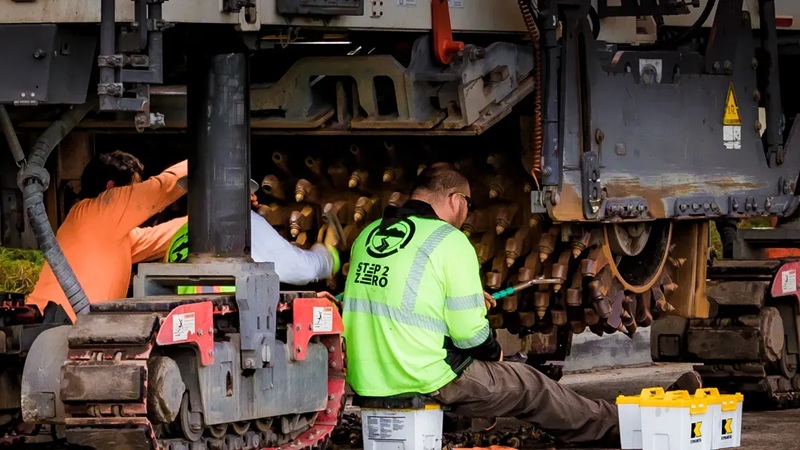
Unexpected downtime from a failed track roller can cost thousands per hour. To choose the right track roller, you must evaluate machine compatibility, load capacity, material durability, and cost for a smart selection. This guide outlines the key factors to consider when selecting track rollers. You will gain confidence to make an informed purchase decision for your next Undercarriage Parts Track Roller.
To select the right undercarriage components, you must first understand the fundamentals. A track roller supports the machine's weight and guides the track chain around the undercarriage frame. Fortune offers a comprehensive range of high-quality components, including the undercarriage parts track roller, designed as direct OEM replacements for major brands.
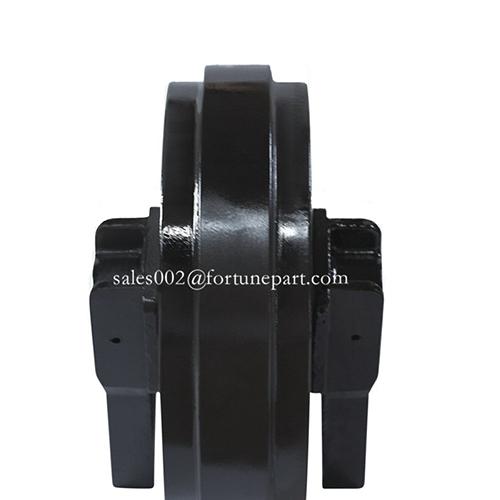
The track roller, also known as the bottom roller, sits along the lower part of the undercarriage. It carries the entire weight of your excavator or dozer and ensures proper ground contact. This component bears the full machine load, making it a primary structural support element.
A carrier roller performs a different role. The table below clarifies the distinction:
| Component | Location | Function |
|---|---|---|
| Carrier (top roller) | Top of the track frame | Supports and guides the top section of the track chain |
| Track Roller (Bottom Roller) | Bottom of the track frame | Carries the entire weight of the machine and ensures ground contact |
Understanding this difference helps you identify the correct part for your undercarriage system. For a medium-sized excavator operating in normal soil conditions, bottom track rollers typically last between 3,000 and 6,000 hours. The exact lifespan depends on machine class and application. Soft material and steady dig-and-swing cycles extend roller life, while abrasive conditions accelerate wear.
When you need reliable digger track rollers, you must evaluate both location and function to ensure proper weight distribution and track alignment.
Two primary types of track rollers exist: single flange and double flange. The choice depends on your machine's lateral stability requirements.
Double flange rollers feature flanges on both sides of the roller. They anchor the track and handle high lateral forces. Manufacturers place double flange rollers near the idler and sprocket to provide positive track guiding. This positioning helps maintain proper alignment and prevents snaking or de-tracking.
Single flange rollers have a flange on one side only. They allow controlled flexibility when interspersed between double flange rollers. This alternating pattern helps maintain alignment while reducing overall track tension.
The table below outlines the preferred flange type for different lateral load conditions:
| Lateral Load Condition | Preferred Flange Type |
|---|---|
| Heavy loads, slopes, turns, rough terrain | Double flange |
| Quarries / mines (high side impact loads) | Double flange |
| Slope work (significantly increased side forces) | Double flange |
| Front and rear ends (near idler and sprocket) | Double flange |
| Flat ground / soft soil (small side loads) | Single flange |
Understanding these types of track rollers allows you to choose the right configuration for your specific application. Double flange track rollers provide superior stability under demanding conditions, while single flange rollers offer adequate guidance at a lower cost for less demanding environments.
To identify the correct replacement for the best track roller available, you must measure key dimensions accurately. Start with the roller diameter, which typically ranges from 100mm to 200mm for standard excavators and dozers. Next, measure the flange width, shaft length, and bolt pattern. Track rollers with incorrect dimensions lead to improper fit, accelerated wear, and potential track derailment. These measurements become essential when the original part numbers are worn or illegible. A precise measurement ensures you select a component that matches your machine's original specifications.
You must also verify machine compatibility. Fortune designs its undercarriage parts as direct OEM replacements for major brands such as Caterpillar, Komatsu, Hitachi, and Volvo. For example, when you need a Komatsu bulldozer bottom track roller crawler equipment component, cross-reference your machine model and serial number against Fortune's catalog. Whether you need digger track rollers for an excavator or heavy-duty rollers for a dozer, the measurement process remains the same. This ensures the roller matches the original specifications for mounting points, overall dimensions, and load rating. Taking these steps prevents costly ordering errors and keeps your equipment operational. Always verify the bolt pattern and shaft length before placing an order to avoid returns.
The material composition of your track roller directly determines its service life. Fortune uses premium materials such as 40MnB/35MnB boron steel and 40SiMnTi alloy steel. These materials undergo advanced forging and casting technologies, by specialized heat treatment. The deep quenching and tempering process achieves superior surface hardness and deep hardened depth, ensuring outstanding wear resistance. This combination of material and processing defines the best track roller for demanding applications.
Three key specifications differentiate a high-quality track roller from a standard one in terms of longevity:
The hardened depth plays a critical role in material durability. For carrier rollers, induction hardening achieves a depth of 4-8mm. This depth prevents premature wear-through and ensures reliable sealing in harsh environments. For bottom rollers, deep induction hardening achieves a case depth greater than 6mm, with surface hardness reaching 58-62 HRC. This thick hardened layer resists flange grooving from the track chain, extending roller life by 20-30% in abrasive conditions. The core retains lower hardness of HRC 30-40 for ductility, allowing the roller to absorb impacts without cracking. This design philosophy ensures both wear resistance and impact toughness.
When you evaluate track rollers, prioritize material durability. A roller with proper heat treatment and deep case hardening delivers consistent performance across thousands of operating hours. The combination of wear resistance, smooth rotation, and heat dissipation ensures your machine maintains peak efficiency. Investing in a track roller built with these material properties reduces downtime and lowers total cost of ownership. Fortune's commitment to quality ensures each component meets rigorous standards for performance and reliability.
You must assess your machine's weight and operating conditions to select the correct load rating. The static weight of your excavator or dozer and the dynamic forces from digging, pushing, and turning all stress the undercarriage. A track roller must support the machine's full weight while withstanding impacts from rough terrain. The weight capacity rating directly correlates with the roller's dimensions and material thickness. Calculate the total load on each roller by dividing the machine weight by the number of bottom rollers. This calculation gives you a baseline for the required weight capacity. Operating conditions further influence this figure. Abrasive terrains accelerate surface wear. Extreme temperatures affect material properties. You must account for these factors when specifying the load rating.
Fortune's digger track rollers incorporate premium materials and precise heat treatment to handle high stress levels. The weight capacity of each roller must align with your machine's class. Match the roller's rated load to your machine's worst-case operating scenario. This approach ensures reliable performance under peak loads without premature failure. Evaluating weight capacity as part of your load assessment protects your equipment investment.
The upfront price of a track roller represents only part of the total cost equation. Compare initial purchase price against expected service life and potential downtime costs. Low-cost rollers often use inferior materials and insufficient heat treatment. These components wear faster, requiring frequent replacement. Each replacement incurs parts cost, labor, and machine downtime. The cumulative expense quickly exceeds the savings from a cheaper purchase.
Fortune's high-quality track rollers offer a different value proposition. The superior material durability delivered through advanced steel alloys and deep hardening extends service life considerably. You experience fewer replacements and less unplanned downtime. This translates directly to lower maintenance costs over the machine's operating life. The cost considerations should include the total cost of ownership, not just the tag price. A quality roller provides better long-term value despite a higher initial investment. When you evaluate cost considerations, factor in your application's severity and expected operating hours. The material durability of a premium roller directly impacts your bottom line. This balanced approach ensures you select a component that delivers both performance and economic efficiency.
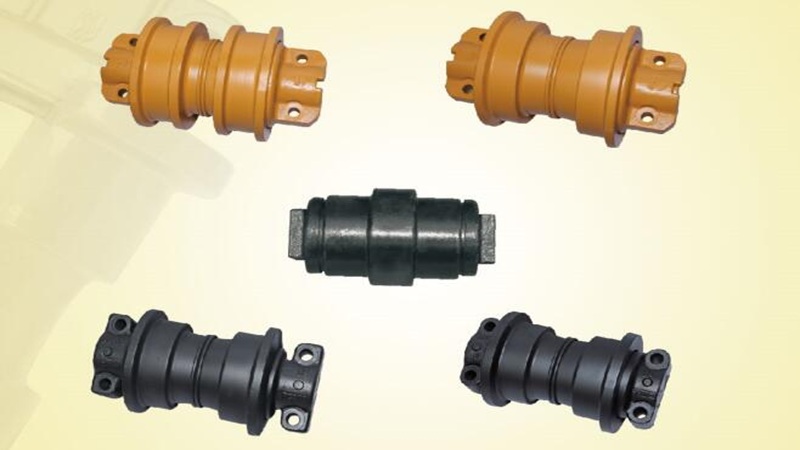
You face a fundamental choice when sourcing replacement components: original equipment manufacturer (OEM) parts or aftermarket alternatives. OEM parts come directly from the machine's brand, offering guaranteed compatibility but often at a premium price. Aftermarket options vary widely in quality, from budget components with limited lifespans to premium manufacturers that match or exceed OEM standards.
Fortune positions itself as a premium aftermarket manufacturer. Its undercarriage parts track roller options serve as direct replacements for major brands like Caterpillar, Komatsu, Hitachi, and Volvo. When you need a Caterpillar Double Flange Track Roller, Fortune's equivalent delivers the same mounting dimensions and load ratings at a competitive price point.
| Supplier Type | Key Strengths & Indicators of Reputation |
|---|---|
| Premium Aftermarket Manufacturers | High-quality materials, advanced seal technology, competitive pricing, and OEM-level quality |
| OEM Suppliers | Direct compatibility and strong brand assurance |
| Regional Specialists | Fast response, local inventory, and flexible support |
| Budget Suppliers | Lower upfront price but limited feature set and shorter expected lifespan |
A reputable supplier distinguishes itself through advanced technical specifications. Look for rollers with forged or cast steel shells featuring induction-hardened treads for abrasion and impact resistance. Internally, precision-engineered shafts, bushings, and bearings ensure even load distribution. Advanced sealing technology—precision-machined seal grooves with elastomer or metal face seals—keeps lubricant in and contaminants out, significantly extending service life.
You must verify quality certifications before committing to a purchase. Reputable manufacturers implement rigorous testing protocols, including dynamic balance tests, and adhere to certifications like ISO or ASTM. These standards confirm that each digger track rollers component meets established performance benchmarks.
Warranty coverage provides another critical indicator of supplier confidence. Most aftermarket track roller suppliers offer warranty periods ranging from 6 to 24 months, with premium lines extending to 36 months for select components. Top-tier manufacturers provide 24-month/3,000-hour coverage on track chains, with straight-line coverage that is fully transferable and carries no pro-rata deduction for the first 12 months.
Fortune's track rollers undergo rigorous testing and inspection to meet or exceed OEM specifications. Each component receives certification confirming its material composition and heat treatment profile. This commitment to quality assurance gives you peace of mind, knowing your investment is protected. When you evaluate a supplier, ask about their testing procedures and warranty terms. A supplier who stands behind their product with comprehensive coverage demonstrates confidence in its durability and performance.
A systematic selection process protects your equipment investment and reduces operating costs. Fleet managers who implement a structured approach consistently lower their undercarriage expenses by 20 percent. This section provides a step-by-step checklist and final verification procedures for choosing the correct component.
Begin your selection process with a comprehensive evaluation of your machine and existing track rollers. Identify your machine model and serial number for cross-referencing compatible part numbers. Remove the existing roller and measure its diameter, flange width, shaft length, and bolt pattern. Evaluate the terrain, load severity, and operating environment to determine the required flange configuration and material durability. This systematic approach leads you to the best track roller for your application.
The following six-step process guides you through a complete track roller assessment:
Many operators overlook critical items during this process. Avoid ignoring compatibility, which leads to vibration and failure. Avoid choosing cheap materials; soft steel lasts only 500 hours versus 2,000-plus hours. Avoid skipping seals, as contamination can triple repair costs. Inspect the track frame for cracks, bent sections, rust damage, and previous repairs. Look for fresh paint around weld areas, which may hide structural defects.
Before placing your order, verify the replacement part against your machine's specifications. This verification process for track rollers ensures accurate fit and function. The table below outlines the required verification points:
| Verification Point | Required Information | Purpose |
|---|---|---|
| Machine Identity | Full model and serial number (PIN) | Protects against serial-range changes |
| OEM Catalog Listing | Roller callout and OEM service number | Connects to the correct assembly |
| Roller Location | Bottom roller vs. carrier roller | Prevents function confusion |
| Flange Configuration | Single, double, or other | Confirms chain-guidance geometry |
| Mounting Interface | Bolt-hole pattern, mounting face | Ensures physical fit on the frame |
For example, a Komatsu D65 series bottom roller requires confirming the single-flange part number 141-30-00574 or the double-flange part number 141-30-00584. This verification prevents costly ordering errors.
Proper installation is equally important. Clean the mounting surface thoroughly. Apply the correct torque to all mounting bolts per manufacturer specifications. Inspect the mating components, including the track chain and idlers, for wear. Replacing a track roller without addressing worn mating parts accelerates wear on the new component. A final walk-around inspection after installation confirms proper alignment and operation. This disciplined approach to selection and installation ensures your new component delivers its full service life.
Selecting the right track roller demands attention to compatibility, load capacity, material durability, and cost considerations. These key factors to consider directly impact your operational efficiency and maintenance costs. An informed purchase decision protects your equipment investment. Fortune's comprehensive catalog of undercarriage parts track roller options delivers the best track roller for your application. Trust this selection process to prevent costly breakdowns and maximize uptime.
The key factors to consider include roller dimensions, flange configuration, and material quality. Measure your existing track roller before ordering.
The two types of track rollers are single and double flange. Double flange track rollers anchor the track. A carrier roller supports the upper chain section.
Higher weight capacity supports heavier loads. Cost considerations balance upfront price against service life. Verify weight capacity matches your machine class.
categories
recent posts
tags
Xiamen Fortune Industrial Co., Ltd.
Room 402,No.7,Kangleli,Huli District, Xiamen, Fujian, China
Tel : 0086 13559245184
Fax : 0086-592-7072790
Whatsapp/Wechat : +8613559245184
Contact Person: James Xie
E-mail: sales@fortunepart.com
Microsoft Teams: part-sales
scan to wechat: