

-
call us
0086 13559245184 -
email us
sales@fortunepart.com
call us
0086 13559245184email us
sales@fortunepart.com
Sep, 2026
The bucket link is a small part that most operators only notice when something goes wrong. Yet it sits at the point where the bucket cylinder transfers its force into the bucket, and it works under constant load every time the machine digs. When a bucket link wears, the symptoms spread through the whole front end of the machine: the bucket loses force, the digging angle changes, and pins start to knock. Choosing a replacement is easier when you understand what the part does, how it wears, and which measurements must match your machine. If you are comparing options, it helps to start with the available Bucket Link types and note which one matches your excavator model and linkage layout.
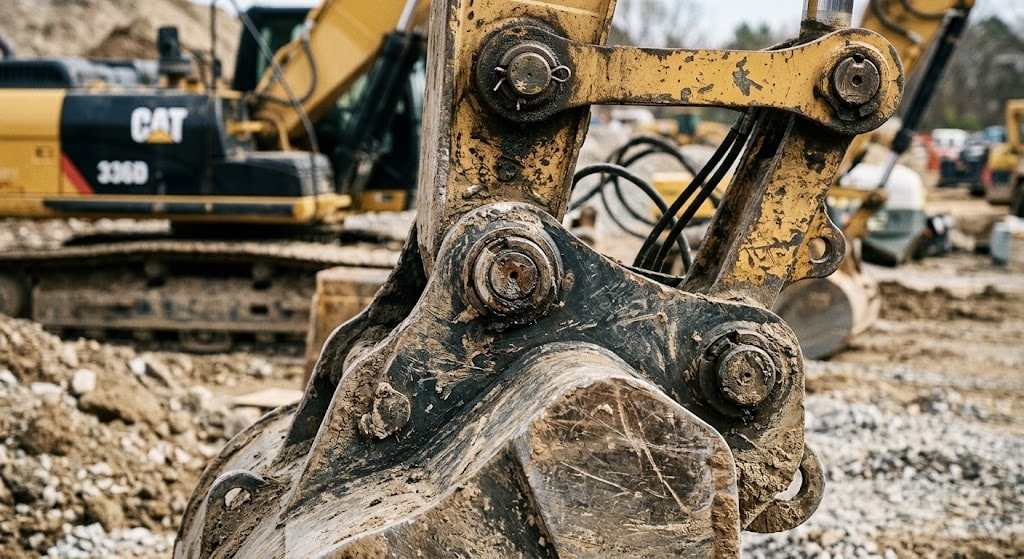
A bucket link, often called an H-link because of its shape, is the intermediate piece between the bucket cylinder and the bucket. The cylinder pushes the link, the link pushes the bucket, and the geometry of that linkage decides how much force and rotation reach the bucket.
The part works as one element of a small linkage group, which normally includes:
Because these parts work together, wear in one place changes the load on the others. A worn pin hole in the bucket link, for example, increases play in the linkage, which then loads the guide link and the bucket ears unevenly.
Bucket links rarely fail from a single event. In most cases, wear builds up from a combination of factors:
Pin joints are usually the first area to show wear, because they carry the full load in a small contact area. Once the pin holes become oval, the whole linkage starts to move incorrectly, and repair becomes more expensive than a simple pin and bushing change.
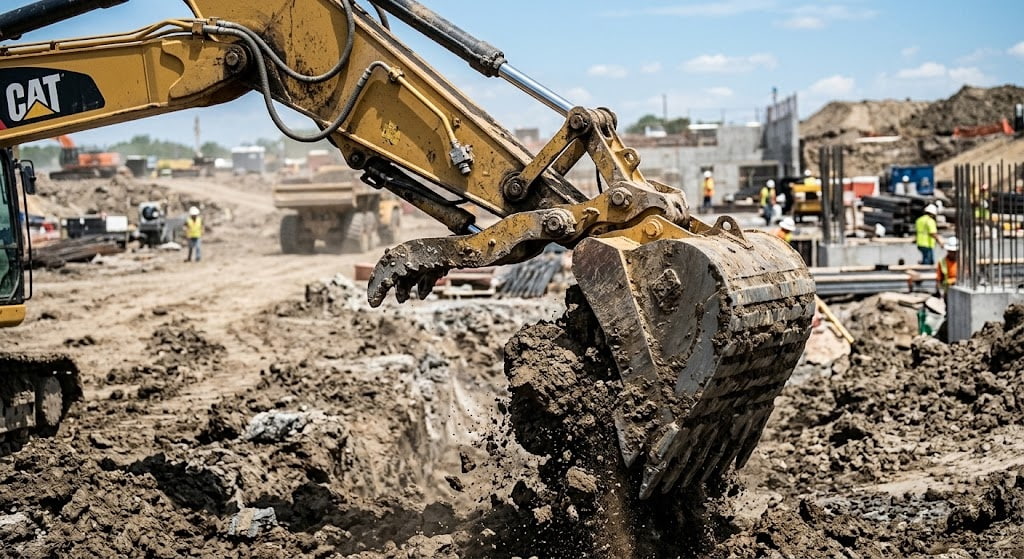
Regular inspection of the front linkage is one of the cheapest maintenance habits on an excavator. Watch for these signs:
| Sign | What It Means | Recommended Action |
|---|---|---|
| Play in the linkage | Pin or bushing wear | Measure the joint play and replace pins and bushings as a set |
| Knocking noise | Loose joint or worn pin hole | Stop and inspect before the hole becomes oval |
| Bucket will not curl fully | Linkage geometry changed by wear | Check link, guide link, and cylinder rod end together |
| Cracks in the link body | Overload, impact, or fatigue | Do not weld and reuse blindly; evaluate replacement |
| Grease will not enter | Blocked or damaged grease passage | Clean the passage or replace the pin and bushing |
Ignoring these signs is expensive. Once the pin holes in the link or the bucket ears are damaged beyond tolerance, the repair requires welding, line boring, or a new link assembly.
A bucket link must match the machine linkage exactly. Confirm each point below with the supplier before placing an order.
| Item | What to Confirm | Why It Matters |
|---|---|---|
| Machine model | Excavator brand, model, and serial range | Linkage geometry differs between models and production ranges |
| Pin diameter | Diameter of each pin position on the link | Pin size must match the cylinder, guide link, and bucket ears |
| Hole center distance | Distance between pin hole centers | Center distance decides the digging angle and bucket rotation |
| Link thickness and width | Plate thickness and overall width | Must fit between the mounting ears without side movement |
| Bushing type | Bushing size, material, and seal arrangement | Bushing design decides the service life of the joint |
| Bucket size fitted | Capacity of the bucket in use | An oversized bucket increases load on the link and pins |
Replacing the link alone rarely solves the problem completely. Pins, bushings, and the link body wear against each other, and mixing a new link with worn pins produces rapid new wear. The table below summarizes how the parts relate.
| Component | Function | When to Replace |
|---|---|---|
| Bucket link (H-link) | Transfers cylinder force to the bucket | When pin holes are oval, cracked, or the body is deformed |
| Pins | Allow rotation at each joint | When worn, scored, or when joint play exceeds tolerance |
| Bushings | Provide a wear surface inside the pin holes | When the inner surface is worn, cracked, or will not hold grease |
| Seals and dust rings | Keep grease in and dirt out of the joint | At every pin or bushing change |
As a general rule, replacing pins and bushings together with the link, and fitting new seals at the same time, gives the longest result for the lowest total cost.
Good habits extend the life of the bucket linkage and protect the more expensive parts around it:
Most premature linkage failures trace back to two causes: missed greasing and continuing to work after play appears. Both are simple to avoid.
When you are ready to order, prepare the following details so the supplier can confirm the correct part:
For machines such as the Komatsu PC200-7 and PC300-8, the linkage layout is well known, and matching the correct pin sizes and center distances is what makes the difference between a part that fits and one that does not. Heavy machinery operators often compare the geometry of the candidate part with the original before ordering, and checking an Excavator bucket link designed for these models is the practical way to confirm the correct pin spacing, thickness, and bushing arrangement. Ask the supplier to confirm all dimensions against your machine model before dispatch.
Check for play in the joints, knocking noises, oval pin holes, and a bucket that no longer curls fully. Any of these signs means the linkage should be inspected.
Small cracks and worn bushings can sometimes be repaired by a qualified workshop. Oval pin holes or a deformed body usually mean replacement is the safer option.
It is strongly recommended. New pins and bushings protect the new link and keep the whole linkage tight, which usually costs less than repeat repairs.
Wear in the pin joints enlarges the holes and changes the linkage geometry, which alters the bucket angle and reduces curling force.
Follow the machine manual for the interval, and grease more often in dusty, wet, or high-load conditions. Greasing often is cheaper than replacing pins.
The bucket link is small, but it carries the force that makes the bucket work. Inspect the linkage regularly, keep the joints greased, and replace pins, bushings, and seals together with the link when wear appears. Confirming the pin sizes, center distances, and model details before ordering prevents the most common fitting problems, and it keeps the machine digging at full performance instead of losing force through a loose, worn linkage.
Contact fortunepart.com with your excavator model and linkage measurements, and we will help you confirm the right bucket link before you order.
categories
recent posts
tags
Xiamen Fortune Industrial Co., Ltd.
Room 402,No.7,Kangleli,Huli District, Xiamen, Fujian, China
Tel : 0086 13559245184
Fax : 0086-592-7072790
Whatsapp/Wechat : +8613559245184
Contact Person: James Xie
E-mail: sales@fortunepart.com
Microsoft Teams: part-sales
scan to wechat: