

-
call us
0086 13559245184 -
email us
sales@fortunepart.com
call us
0086 13559245184email us
sales@fortunepart.com
Sep, 2026
Don't stop at the repair bill. Factor in the idle excavator, the delayed project, and the lost productivity. Those hidden expenses often dwarf the replacement part price.
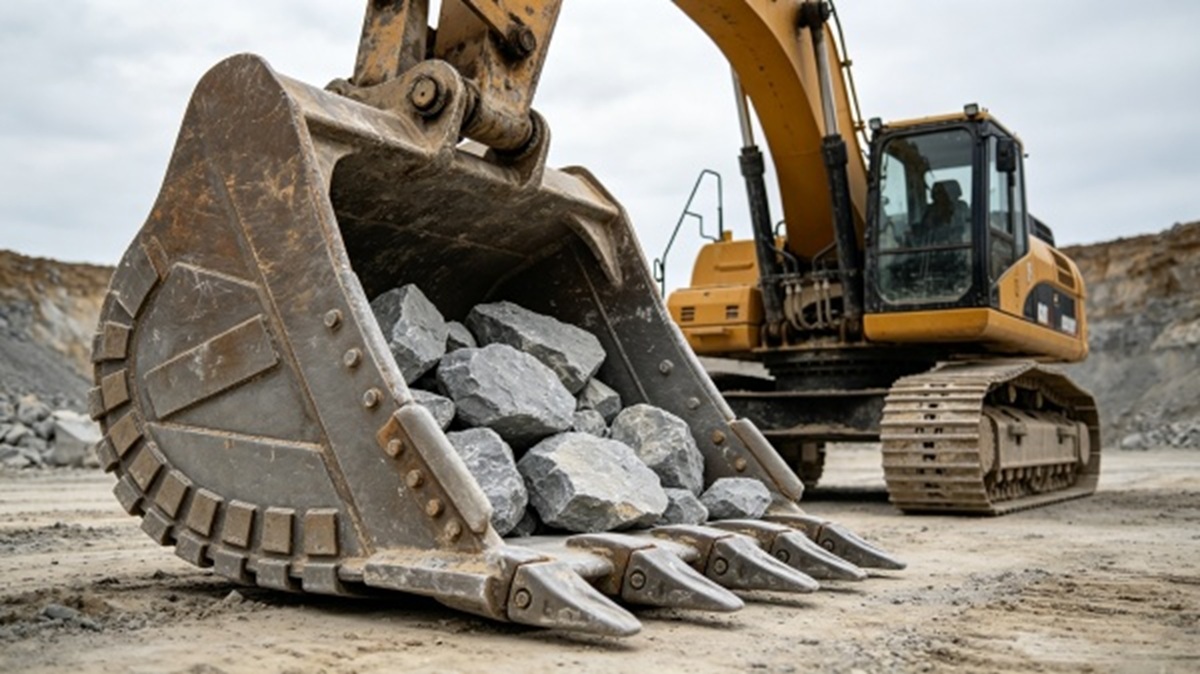
A high-quality excavator rock bucket directly attacks these costs. The initial purchase price represents a small fraction of Total Cost of Ownership. Fuel, maintenance, and downtime dominate that equation. Premium buckets deliver savings through three channels: enhanced durability reduces replacement frequency, optimized design improves fuel efficiency, and superior build quality protects your excavator from undue stress.
This article provides a practical framework for evaluating buckets. You will learn to assess long-term operational efficiency, not just the sticker price. We examine material science, design engineering, and real-world cost modeling. These insights help you make a smarter purchasing decision. Your excavator bucket choice determines your profitability.
The steel grade in your excavator rock bucket determines how many tons of material it moves before failure. Standard structural steel might seem adequate at first glance, but rock excavation punishes metal with constant abrasion, impact, and bending stress. Premium steel grades resist these forces far longer, which directly reduces how often you purchase replacement buckets.
Steel selection is not a single-grade decision. High-performance buckets pair different materials to address distinct mechanical demands within the same structure. The table below compares the two primary steel families used in heavy-duty rock buckets:
Steel Type
Initial Hardness
Hardness After Work Hardening
Key Mechanical Advantage
Manganese Steel
~200 HB
Up to 550 HB
Self-hardens under impact, providing exceptional toughness and shock absorption for high-impact zones like bucket teeth.
AR500 Steel
~500 HB
~500 HB (stable)
Maintains consistent high hardness, offering steady abrasion resistance for cutting edges and wear plates in low-impact, high-abrasion environments.
Manganese steel excels where rocks slam into the bucket. Each impact work-hardens the surface, pushing hardness from roughly 200 HB toward 550 HB. This self-hardening property makes it ideal for bucket teeth and impact zones. AR500 steel, with its stable 500 HB hardness, suits cutting edges and wear plates that face continuous abrasion without heavy impacts. A well-engineered bucket uses both materials strategically.
The quantitative difference between premium and standard steel is striking. AR400 steel provides three to five times the wear resistance of conventional Q345B steel. This means a bucket built with wear-resistant plate lasts several times longer in the same application than one fabricated from standard structural steel. The initial material cost difference shrinks when you divide it across the extra service life.
Thicker, harder materials in the shell, side cutters, and wear plates translate directly to longer service intervals. A high-quality excavator rock bucket uses a structural steel foundation, then reinforces critical zones with appropriate wear-resistant materials. This construction approach ensures the bucket quality and features match the severity of rock excavation demands.
Steel quality means nothing if the welds fail. Rock buckets endure cyclic loading that stresses every joint. A weak weld develops micro-cracks that propagate under repeated stress. These cracks grow silently until the bucket structure suddenly gives way, often mid-cycle with a full load.
Precision welding matters as much as material selection. Proper weld penetration creates a bond as strong as the parent metal. Poor penetration leaves voids that concentrate stress. Inconsistent heat control creates brittle zones adjacent to the weld, areas prone to cracking under impact loads.
The durability of your excavator bucket depends on weld integrity at every joint: shell plates, side cutters, mounting lugs, and wear plate attachments. A bucket with excellent steel but weak welds fails prematurely, forcing you to buy a replacement long before the material wears out. Conversely, proper welding ensures the premium steel reaches its full service life.
When you evaluate an excavator rock bucket, inspect the weld quality. Look for consistent bead profiles, no porosity, and proper fusion at the toes. These visual checks reveal the manufacturer's commitment to structural integrity. A reputable manufacturer welds in controlled environments with certified procedures, not improvised shop practices.
The cost of a weld failure extends beyond the bucket itself. Structural failure can damage the excavator linkage, bend the stick, or crack the boom. These repairs dwarf the bucket replacement cost. Investing in a bucket with verified weld quality protects your entire machine, not just the attachment.
The geometry of your excavator rock bucket directly controls your fuel bill. Every degree of cutting angle, every pound of dead weight, and every square inch of surface friction influences how much hydraulic force your excavator must generate to fill the bucket. That force comes from diesel. A bucket that penetrates easily saves fuel on every single cycle, and those savings compound across thousands of operating hours.
A new bucket arrives with precise cutting angles engineered to transfer breakout force efficiently into the material face. Those angles matter. When the profile remains sharp and true, the bucket penetrates with minimal resistance, fills completely, and releases cleanly at the dump site. This efficiency translates directly into shorter cycle times and lower fuel consumption per ton of material moved.
The contrast becomes obvious when you compare an optimized profile against a worn one:
Digging Efficiency
Cycle Time Impact
Fuel Consumption Impact
Optimized/Maintained Profile
High penetration efficiency; precise cutting angles transfer breakout force effectively
Reduced digging time per pass; fewer cycles needed
Lower hydraulic load; less engine stress; reduced fuel burn
Worn/Compromised Profile
Rounded angles increase penetration resistance; reduced fill factor
Slower penetration; longer digging cycles
Higher hydraulic load; engine under stress longer; increased fuel consumption
A worn profile forces your excavator to work harder for less result. Rounded cutting edges deflect material instead of slicing through it. The bucket fills only partially, so you run more cycles to move the same volume. Each cycle demands more hydraulic pressure and more engine power. The fuel cost per ton climbs steadily as the profile degrades.
Premium buckets resist this degradation through design features that protect the cutting geometry. Reinforced side cutters maintain their shape under impact. Wear-resistant material at the cutting edge slows the rounding process. A fast taper on the bucket walls reduces material buildup, preventing sticky soils from clinging to interior surfaces. These features preserve the original profile far longer, keeping your fuel consumption low throughout the bucket's service life.
Bucket weight directly affects excavator performance in two opposing ways. A heavier bucket provides more structural strength and durability, but it also adds dead load that your excavator must lift and carry through every cycle. That extra weight consumes hydraulic power and fuel without contributing to material moved.
The optimal design balances strength against weight. High-quality steel allows manufacturers to achieve structural integrity with thinner plates than standard steel would require. This weight reduction improves excavator performance without sacrificing durability. Your machine spends less energy moving the attachment itself and more energy moving material.
A lighter bucket also reduces stress on the excavator's hydraulic system. The pump delivers flow at a given pressure; lifting a heavier attachment demands more from that system. Over time, this additional strain accelerates wear on hydraulic components. A well-designed rock bucket minimizes this burden while maintaining the structural rigidity needed for demanding applications.
The relationship between bucket weight and fuel consumption follows a simple logic. Every pound of attachment weight requires fuel to lift, swing, and dump. Reducing unnecessary weight through smart engineering lowers your cost per cycle. When you evaluate buckets, compare empty weights alongside rated capacities. The most efficient option moves the most material per pound of attachment weight, delivering superior excavator performance at the lowest fuel cost.
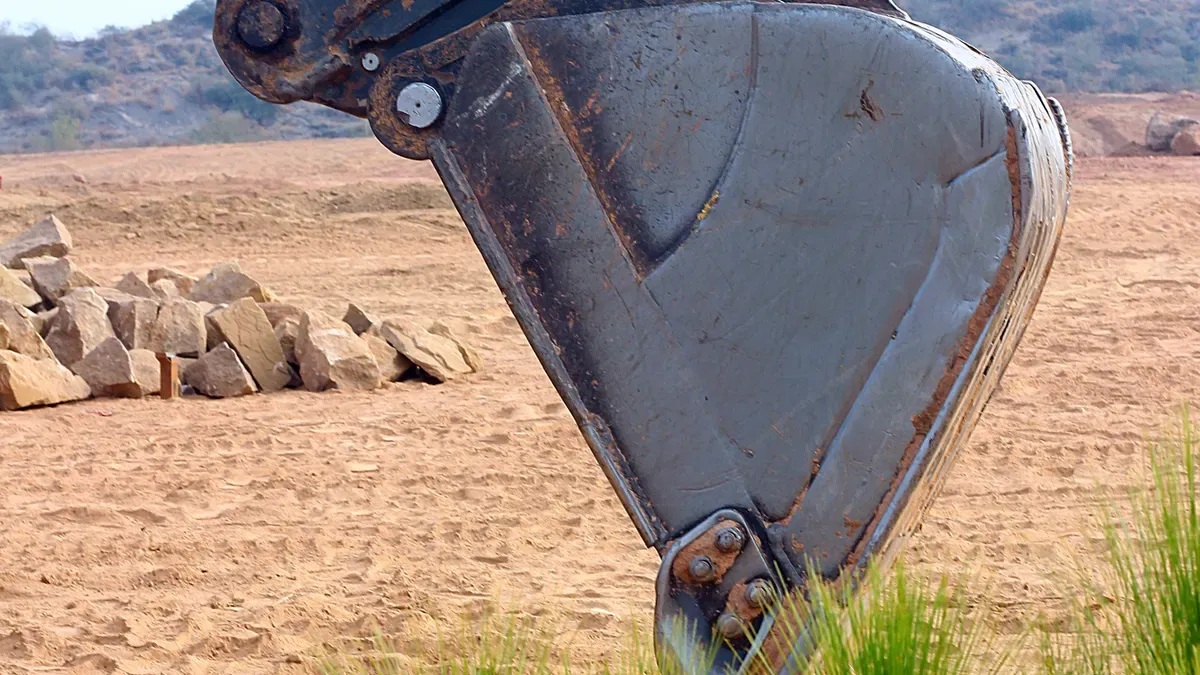
Selecting the correct excavator bucket for the job stands as your primary cost-saving measure. A general-purpose bucket used for rock work will wear rapidly and potentially damage your machine. The duty rating must match the intensity of your work. For rock excavation, a heavy-duty bucket is non-negotiable for cost-effective operation.
You must evaluate the material you dig before you choose any attachment. Fine abrasive material like sand demands different protection than sharp blasted rock. The table below shows how wear plate selection follows the material condition:
Condition
Recommended Material
Reason
Fine abrasive material (e.g., sand, fines)
Chromium carbide overlay (CCO) plate
High carbide content resists sliding abrasion from fine particles.
Sharp rock and severe abrasion (gouging)
Tungsten carbide wear plate or reinforced CCO
Extreme wear resistance for gouging and sharp abrasive particles.
High impact loading (rock impact)
Tougher wear-resistant steel or special liner structure
Impact resistance and crack control prioritized over maximum hardness.
Mixed abrasion and impact
Application-specific composite liner
Balances hardness, toughness, thickness, and liner layout.
Thickness should be chosen based on the wear zone and impact level, with thicker plates reserved for severe impact areas.
Consider what happens when you use a standard digging bucket in granite terrain. Standard buckets reach their operational limits and fail structurally. The floor bows and collapses when loading razor-sharp, high-silica blasted rock. The shell thins and perforates in less than 2,000 hours. Heavy-duty buckets provide the enhanced durability and strength required for these challenging materials. Reinforced teeth and structural components withstand granite's extreme hardness while creating fracture networks.
Bucket capacity must align with your excavator's lifting capacity and hydraulic flow. An oversized bucket overloads the machine. An undersized bucket wastes its potential. Picking the right bucket size requires you to calculate your target production rate and match it against your machine's specifications.
Excavator bucket types range from trenching buckets to specialty excavator buckets. A trenching bucket suits narrow utility work with its elongated profile. Specialty excavator buckets address specific applications like cleaning ditches or demolition. Each type carries its own capacity and dimensional constraints.
The Cat Backhoe & Wheel Loader Heavy Duty Rock Bucket exemplifies proper matching to job site conditions. Its reinforced structure handles severe impact while maintaining the bucket capacity your production schedule demands. When you evaluate excavator bucket types, consider the features that protect your investment: reinforced side cutters, integrated wear plates, and serviceable tooth systems. These features extend service life and reduce your total cost per ton. Selecting the right bucket means examining your material, your machine, and your production goals together. The cheapest option rarely delivers the lowest operating cost.
Your excavator represents a substantial capital investment. Every attachment you connect to it either protects that investment or accelerates its decline. An ill-fitting or poorly balanced bucket transmits destructive forces through the entire machine structure. These forces manifest as vibration, shock loading, and uneven stress distribution. The boom, stick, and slew ring absorb this punishment daily. Premature wear on pins, bushings, and hydraulic cylinders follows inevitably.
Vibration acts as a silent killer for excavator components. A bucket that does not match the machine's linkage geometry creates leverage imbalances. Each digging cycle introduces micro-impacts that resonate through the stick and boom. Over thousands of cycles, these vibrations accelerate metal fatigue at stress concentration points. Cracks develop in weldments that would otherwise last for years.
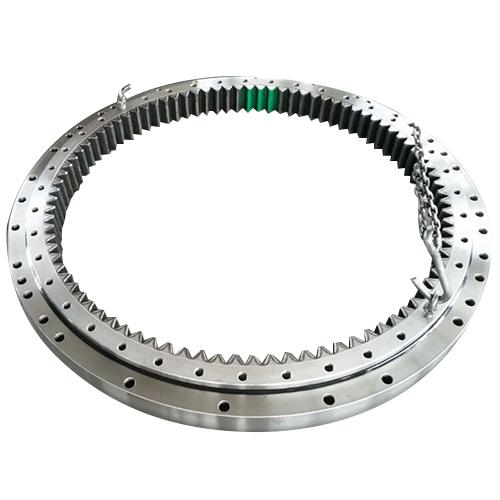
The slew ring suffers particularly from vibration. This critical bearing carries the entire upper structure load. Excessive lateral forces from a mismatched bucket wear the raceways unevenly. You might notice increased play in the cab or hear grinding during rotation. These symptoms indicate expensive repairs approaching. Replacing a slew ring costs far more than any price difference between bucket quality levels.
Structural fatigue also attacks hydraulic cylinder mounts and pivot points. Constant vibration loosens fasteners and accelerates bushing wear. You will find yourself replacing pins and bushings more frequently. Each replacement requires labor hours and machine downtime. A properly matched rock bucket minimizes these forces, preserving the excavator's structural integrity.
Bucket compatibility extends beyond physical mounting dimensions. The attachment must align with your excavator's lifting capacity and hydraulic flow specifications. An oversized bucket overloads the machine during every cycle. Hydraulic systems strain beyond design parameters. Engines labor under excessive load. Structural components flex beyond safe limits.
Conversely, an undersized bucket wastes your excavator's potential. You run additional cycles to move the same material volume. Each cycle burns fuel and adds operating hours. The machine works harder than necessary, accumulating wear without proportional production. Neither extreme serves your bottom line.
The correct heavy-duty excavator bucket balances capacity against machine capability. Consult your excavator's specification sheet before selecting an attachment. Match the bucket's rated capacity to the machine's lifting chart at your typical operating radius. Consider hydraulic flow requirements for proper cylinder response. A well-matched bucket allows the excavator to operate within its designed envelope, reducing stress on every component.
Excavator bucket lineups are available in capacities that suit different machine sizes and applications. This range accommodates various machine sizes and applications. Selecting the proper specification protects your excavator while maximizing productivity. The initial selection effort pays dividends through reduced maintenance and extended component life.
Your maintenance schedule determines your true operating costs. Every hour your excavator spends in the shop represents lost production. Every repair bill adds to the bucket's total cost of ownership. A well-designed rock bucket minimizes both expenses through intelligent component selection and robust construction.
Bolt-on wear parts transform maintenance from a major event into a routine task. Consider the difference between replacing a welded tooth point and a bolt-on alternative. A welded tooth requires hauling the bucket to a fabrication shop, paying a professional welder, and waiting through hours of labor. The table below illustrates the contrast:
Type
Labor Time
Downtime
Skill Required
Weld-on cutting edges
~20 hours
Long (requires hauling to shop)
Highly skilled labor (professional welder)
Bolt-on system
1–2 hours
Short (on-site replacement in minutes)
Simple tools and basic labor
Bolt-on edges deliver predictable replacement cycles. You schedule the change during planned downtime. Repairs never weaken the bucket structure. Welded edges, by contrast, remove more material from the attachment with every repair. Each weld cycle degrades the parent metal, shortening the bucket's overall lifespan.
Shroud systems extend this same logic to high-wear zones. Heel shrouds shield impact areas from damage. Corner protectors safeguard the bucket's most vulnerable points. Mounted wear plates add defense to the bucket wall. These components feature a weld-on base with a bolt-on design, allowing fast change-outs without compromising structural integrity.
A robust bucket with reinforced side cutters and integrated wear plates resists structural damage. You avoid the frequent welding and straightening that plague poorly built attachments. Heavy-duty buckets maintain their geometry through punishing conditions, so you schedule fewer shop visits.
The Self-Cleaning Surface Coated Agricultural Farming Excavator Bucket exemplifies this principle. Its specialized surface coating prevents material adhesion, reducing the need for manual cleaning and protecting the bucket from corrosive buildup. This design feature extends service intervals while maintaining productivity.
Heavy-duty buckets also incorporate thicker wear material at critical points. The shell, floor, and side plates resist abrasion longer. You replace the bucket less frequently, spreading your initial investment across more operating hours. Every excavator bucket purchase should factor in these long-term maintenance savings. The premium you pay for quality returns through reduced downtime and extended service life.
The purchase price creates an illusion of savings. You see a standard bucket with a lower price and a premium rock bucket with a higher price. Your instinct says choose the cheaper option. That instinct costs you money. The real comparison requires a five-year view that accounts for every expense category: replacement frequency, repair costs, fuel consumption, and downtime hours.
Consider two excavator buckets operating in the same granite quarry. The standard bucket costs less initially. The premium rock bucket costs more. Both fit your excavator. Both claim adequate capacity. The similarities end there.
The standard bucket wears out in less than 2,000 operating hours under severe rock conditions. The premium bucket, constructed from high-strength wear-resistant steel with reinforced wear plates, lasts considerably longer. Over time, you purchase multiple standard buckets for the price of one premium bucket, making the premium option more cost-effective.
Repair expenses widen the gap further. Standard buckets require structural welding and straightening after impact damage. Each shop visit costs labor hours plus replacement wear parts. Premium buckets resist structural deformation, so you schedule fewer repairs. The bolt-on tooth system allows field replacement in under two hours. Welded alternatives demand professional fabrication services and extended downtime.
A common misassumption came up... that "cheaper G.E.T saves money" which in reality, couldn't be further from the truth. When you follow that thinking through the wear cycle, with extra maintenance and labour costs plus unplanned downtime, the cheaper G.E.T will cost vastly more in the long run.
Fuel consumption adds another layer to the total cost equation. A worn standard bucket loses its cutting profile quickly. Rounded edges increase penetration resistance. Your excavator burns more diesel per cycle to overcome that resistance. The premium bucket maintains its optimized geometry longer, preserving fuel efficiency throughout its service life.
You calculate return on investment by comparing total operating costs against the initial purchase price. The formula follows a simple structure: total cost of ownership equals downtime cost plus repair cost plus fuel cost. Subtract the initial price difference to determine your actual savings.
Build your own comparison using your operational data. Estimate your hourly downtime cost. Include operator wages, lost production, and project delay penalties. Calculate your annual repair expenses for each bucket option. Track your average fuel consumption per ton of material moved. Apply these figures across your expected bucket service life.
The premium excavator bucket delivers measurable returns through reduced replacement frequency. Your excavator spends more hours moving material and fewer hours waiting for attachment changes. The performance improvement appears in your production reports as higher tons per hour and lower cost per ton.
Quality heavy-duty rock bucket lineups provide capacity options that accommodate various machine sizes and applications. The initial selection effort pays dividends through reduced maintenance and extended service life. When you divide the price difference across thousands of operating hours, the premium becomes negligible. The savings from avoided downtime and repairs dwarf that figure many times over.
The cheap option rarely delivers the lowest operating cost. Your purchasing decision determines your profitability for years. Choose the excavator bucket that protects your bottom line through every wear cycle.
Premium wear-resistant steel extends your excavator rock bucket's service life dramatically. Smart geometry reduces fuel consumption per cycle. Proper application matching protects your excavator from structural stress. Serviceable wear parts minimize maintenance downtime. Each factor compounds into measurable savings.
The purchase price represents only your entry ticket. Real costs accumulate during operation. A high-quality excavator bucket functions as a strategic investment, not an expense. It drives efficiency and profitability across your entire operation.
Stop comparing price tags. Start examining specifications. Consult a reputable manufacturer about your specific application. Calculate your projected ROI with their experts. Choosing quality means protecting your bottom line. Your excavator deserves nothing less.
Service life depends on your material and operating intensity. A heavy-duty bucket built with high-strength wear-resistant steel typically delivers significantly more operating hours than a standard bucket in severe rock conditions, often exceeding 2,000 hours by a wide margin. Standard buckets in the same application often fail near 2,000 hours. Your maintenance practices also influence longevity.
Examine the steel grade, weld quality, and reinforcement strategy. Premium buckets use wear-resistant plate in high-abrasion zones and manganese steel at impact points. Look for consistent weld beads without porosity. Check for bolt-on wear parts that allow field replacement without cutting or welding.
Consult your machine's specification sheet before purchasing. Match the bucket's rated capacity to your excavator's lifting chart at typical operating radius. Verify hydraulic flow compatibility for proper cylinder response. Quality heavy-duty rock bucket lineups offer capacities to accommodate various machine sizes and applications.
Calculate total cost of ownership rather than comparing sticker prices. A premium bucket, though more expensive upfront, lasts longer and thus has a lower cost per hour than a standard bucket that fails sooner. Factor in reduced fuel consumption, fewer repairs, and avoided downtime. The premium pays for itself through extended service life.
categories
recent posts
tags
Xiamen Fortune Industrial Co., Ltd.
Room 402,No.7,Kangleli,Huli District, Xiamen, Fujian, China
Tel : 0086 13559245184
Fax : 0086-592-7072790
Whatsapp/Wechat : +8613559245184
Contact Person: James Xie
E-mail: sales@fortunepart.com
Microsoft Teams: part-sales
scan to wechat: